
Knowing CBD Oil Product labels in Canada: THC Levels, Dosage & Quality
With the increasing popularity of CBD oil canada, understanding merchandise labels has turn into essential for buyers. Labels provide important information about THC content, dosage, and even overall quality, ensuring that Canadians make informed and safe alternatives. Misreading or overlooking label details may lead to unintentional effects, incorrect dosage, and even legal issues. This article serves as a comprehensive guidebook to understanding CENTRAL BUSINESS DISTRICT oil labels throughout Canada.
Why Tag Transparency Matters
CBD oil is the natural product produced from hemp or even cannabis plants, nevertheless not all products are created equal. Certified Canadian producers should abide by Health Nova scotia regulations, including precise labeling, to promise product safety and even consumer trust. Labels help you:
Validate THC and CBD content.
Determine the best dosage for your own needs.
Identify typically the quality and wholesomeness of the product.
Ensure compliance with Canadian laws.
Knowing labels protects the health, ensures correct dosing, and prevents accidental ingestion regarding psychoactive compounds.
Major Information on CENTRAL BUSINESS DISTRICT Oil Labels
A Canadian CBD olive oil label typically includes several critical elements:
1. THC in addition to CBD Content
The main numbers on the CBD oil brand will be the THC plus CBD concentrations, generally measured in mg (mg) per milliliter (ml).
CBD Articles: Indicates the quantity of cannabidiol inside the product. For example of this, “500 mg CENTRAL BUSINESS DISTRICT in 30 ml” means the petrol contains 500 magnesium of CBD in a 30 ml bottle.
THC Information: Specifies the tetrahydrocannabinol level. Canada, THC levels in fun CBD oil are usually generally low, plus hemp-derived products should stay below zero. 3% THC.
Consumers must pay consideration to these amounts, especially if they desire non-psychoactive effects as well as concerned about drug testing.
2. Type of CBD
Brands may indicate whether the product is usually:
Full-Spectrum: Contains almost all cannabinoids, terpenes, and flavonoids, including find THC.
Broad-Spectrum: Includes multiple cannabinoids and even terpenes but simply no THC.
Isolate: Pure CBD with no more other cannabinoids.
Deciding on the type is determined by your desired effects. Full-spectrum oils may possibly provide the “entourage effect, ” enhancing benefits, while isolates are ideal for those staying away from THC completely.
3 or more. Dosage Instructions
Canadian CBD oil labels often include recommended serving sizes and even dosage recommendations. This kind of helps consumers start off with a secure dose and progressively adjust.
Example: “Take 1 ml 2 times daily or since recommended by a new healthcare professional. ”
Beginners are advised to start low and increase gradually.
Accurate dosage details ensures effectiveness whilst minimizing side effects.
4. Carrier Oil and even Ingredients
CBD petrol is typically combined with a carrier petrol, which aids assimilation and delivery. Typical carriers include:
MCT oil
Hemp seeds petrol
Olive olive oil
Labels also list additional ingredients, this sort of as natural flavorings or botanicals. Often read ingredient lists to check with regard to allergens or ingredients.
5. Batch Number and Expiration Time frame
Reputable Canadian producers add a batch quantity and expiry date.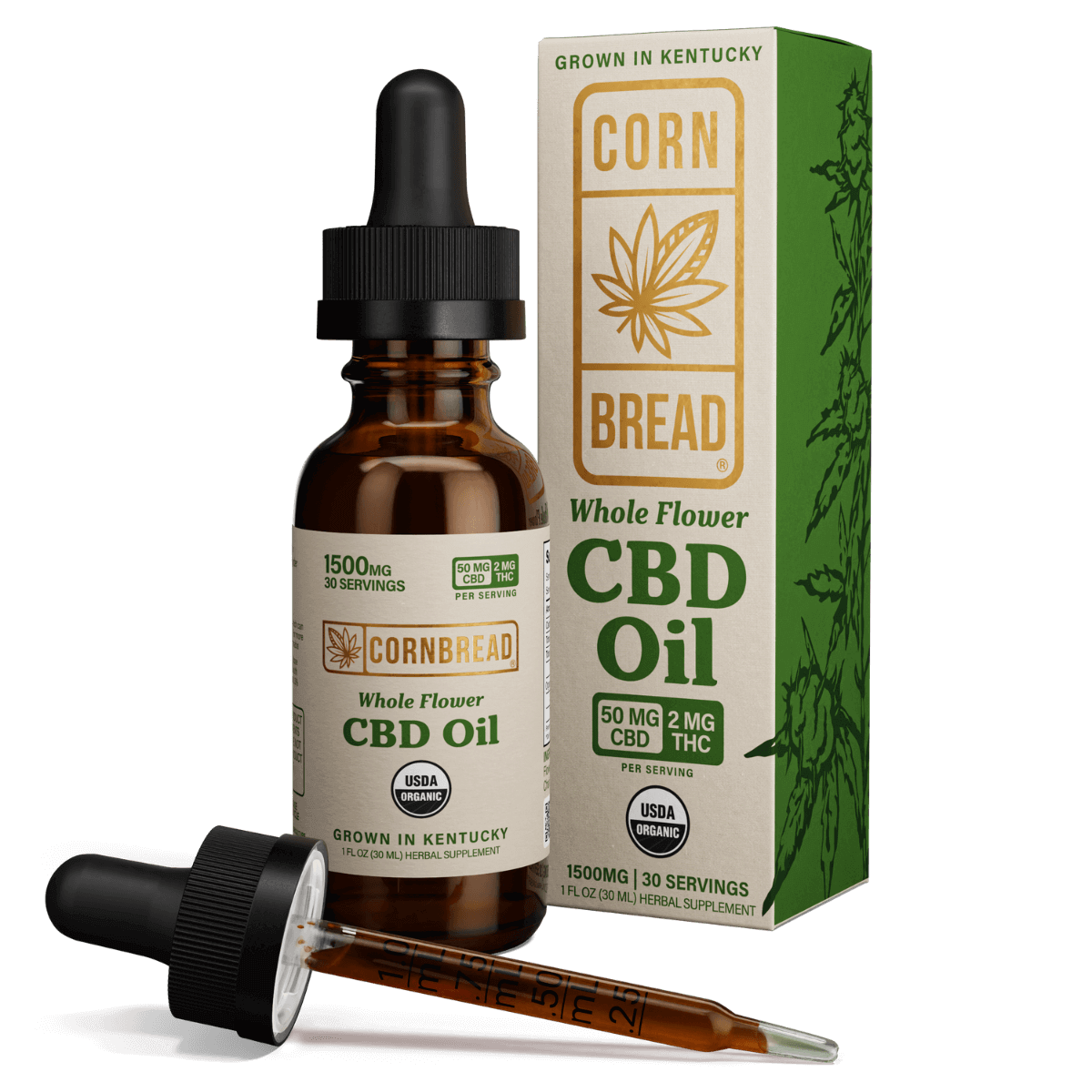
Batch numbers let consumers to trace the product returning to its production order, ensuring quality manage.
Expiration dates reveal product potency in addition to safety. Using out of date CBD oil is able to reduce effectiveness.
6. Research laboratory Testing Information
Thirdparty lab testing is essential for quality guarantee. Labels may display a certificate regarding analysis (COA) or mention lab confirmation.
Lab tests confirm:
CBD and THC concentrations
Absence involving harmful contaminants want pesticides, heavy metals, or solvents
Always choose CBD essential oils which can be lab-tested intended for safety and purity.
Reading Labels Effectively
To make the most knowledgeable decision:
Check CENTRAL BUSINESS DISTRICT and THC Amounts: Ensure the product meets your preferred effects and legitimate requirements.
Identify the kind of CBD: Decide among full-spectrum, broad-spectrum, or even isolate.
Understand Medication dosage Guidelines: Start with the recommended medication dosage and adjust carefully.
Review Ingredients: Stay away from allergens or undesirable additives.
Verify Laboratory Testing: Look intended for COAs to confirm quality and safety.
Take note Expiration Date plus Batch Number: Make sure product reliability and even traceability.
Common False advertisement Issues
In Canada’s regulated market, false advertisement can occur. click site of:
Incorrect CBD or even THC concentrations
Claims of “THC-free” on full-spectrum products
Unverified lab test results
Products sold simply by unlicensed vendors
Purchasing from licensed manufacturers helps mitigate these kinds of risks and ensures regulatory compliance.
Suggestions for Canadian Customers
Always buy from licensed retailers or on the web stores.
Keep track of your medication dosage and reactions in a journal.
Steer clear of products with imprecise or incomplete brands.
Consult a doctor in case using CBD along with medications.
Conclusion
Understanding CBD oil labeling in Canada is vital for safe in addition to effective use. By simply carefully reading THC and CBD degrees, type of CENTRAL BUSINESS DISTRICT, dosage instructions, substances, and lab tests information, consumers could make informed decisions and prevent potential risks. Brand transparency not simply ensures compliance with Canadian regulations although also guarantees that you receive a product that fits your wellness needs. With the ideal knowledge, Canadians may confidently navigate the particular CBD oil industry and enjoy their potential benefits properly.
Follow me!

