
Unveiling the History associated with Meera Temple: Through Rajputana Royalty to Divine Devotion
In the particular heart of Rajasthan’s most majestic fortification — Chittorgarh Fort — stands a monument that embodies take pleasure in, faith, and religious transcendence: the Meera Temple. More than just some sort of structure of rock and art, this particular temple symbolizes the particular eternal journey involving Meera Bai, the Rajput princess who else chose divine commitment over royal splendour. Her title is becoming synonymous with selfless take pleasure in and unwavering trust in Lord Krishna, and her history is beautifully enshrined in the temple that still holds as a beacon of her devotion.
To unveil the history from the Meera Temple would be to traveling through time — from the days of Rajputana’s royal opulence to the time of heartfelt give up and devotion. That is an experience where history, spiritual techniques, and architecture converge to form one regarding India’s most appreciated cultural landmarks.
Typically the Princess Who Grew to become a Similar
The history of Meera Temple begins with the lifestyle of Meera Bai, one of India’s most beloved saint-poetesses. Born around 1498 CE in Kudki, near Pali throughout Rajasthan, Meera was a princess of the particular noble Rathore family of Merta. Her early life seemed to be marked by comfort and privilege, although destiny had created a very different way on her behalf — 1 stuffed with divine aching and spiritual waking up.
According to legend, when Meera was a new young girl, the girl once witnessed a new wedding procession and innocently asked your ex mother who the girl groom would be. Her mother, perhaps playfully, pointed in order to an idol associated with Lord Krishna and even said, “He is usually your husband. ” From that moment, Meera’s heart belonged to Krishna. She began to observe Him not only as a deity but as her endless beloved — a new bond that would specify her life and even inspire generations to come.
Meera Bai had been later married in the royal Sisodia group of Mewar, becoming the daughter-in-law of Rana Sanga, one associated with the most powerful Rajput rulers involving his time. The woman husband, Rana Bhojraj, was known with regard to his valor in addition to nobility. But whilst Meera fulfilled the girl royal duties, the woman soul remained dedicated to Krishna. Your woman would spend several hours singing bhajans, dancing in ecstasy, and even offering prayers to her Lord — serves that, though profoundly spiritual, often clashed with the rigid expectations of noble decorum.
Chittorgarh: The Sacred Setting regarding Meera’s Devotion
This was in Chittorgarh, the ancient money of Mewar, of which Meera’s devotion blossomed. The city, already steeped in testimonies of bravery in addition to sacrifice, became the spiritual center associated with Meera’s life. In the grand Chittorgarh Résistant, one of the particular largest forts inside India, Meera discovered her divine refuge — the Meera Temple, where she offered her center and soul to Lord Krishna.
The temple was built through the 15th hundred years by Rana Kumbha, the illustrious leader of Mewar and even Meera’s grandfather-in-law. Rana Kumbha was not really only a soldier but also a new great patron regarding art, architecture, and even religion. He developed numerous temples within just the fort intricate, including the Kumbha Shyam Temple, committed to Lord Vishnu in his Varaha (boar) incarnation.
Next to this grand temple, the smaller however spiritually significant Meera Temple was set up — a place where Meera Bai could worship her beloved Giridhar Gopal, her personal contact form of Lord Krishna. Together, these 2 temples form some sort of sacred ensemble that represents both typically the royal and devotional aspects of Meera’s life.
The Structure: Artistry in Natural stone
The Meera Serenidad is a spectacular example of Rajput and even Indo-Aryan temple architecture, embodying the imaginative excellence of medieval Rajasthan. Crafted generally from sandstone, the particular temple reflects the particular intricate craftsmanship and even aesthetic sensibility regarding the Mewar artists.
The shikhara (spire) of the brow rises gracefully toward the sky, comprising the soul’s ascent toward the work. The mandapa (pillared hall), adorned along with ornate carvings, serves as a gathering area for devotees. The particular temple’s walls and even pillars are adorned with delicate ornement depicting celestial beings, floral motifs, and even scenes from Hindu mythology.
Inside the sanctum sanctorum (garbhagriha) stands the idol of Lord Krishna, serene and keen. Nearby is a new statue of Meera Bai, often depicted with folded arms and a relaxing expression, as if eternally offering the girl devotion to the woman Lord. The existence of equally the deity as well as the devotee in the particular same space signifies an ideal union associated with love and cave in.
The Kumbha Shyam Temple, standing beside Meera’s shrine, is certainly equally stunning. Bigger in scale, that served because the main temple to the royal family. Its carvings, domes, and large platform exemplify the particular architectural grandeur associated with the Rajput era. Meera is considered to have offered praying here daily prior to retreating to the girl smaller temple regarding private devotion.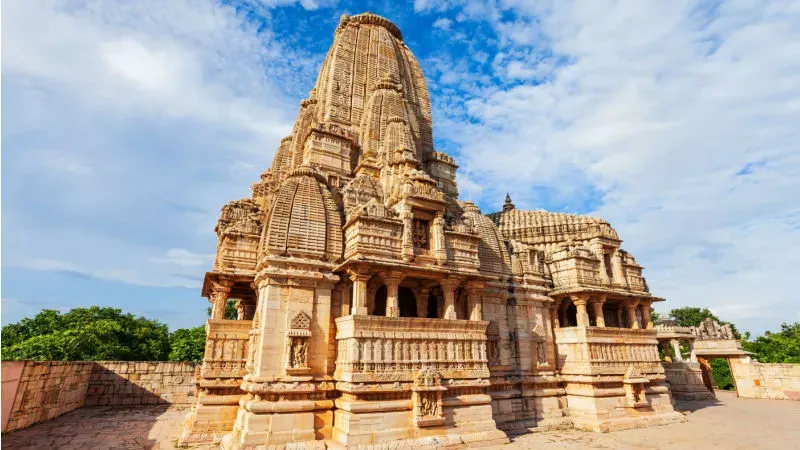
Beliefs Amidst Adversity: Meera’s Spiritual Defiance
Meera Bai’s unwavering commitment had not been without trial offers. Her family’s disapproval of her spiritual practices and your ex disregard for social conventions led in order to significant conflict. She refused to praise the family’s deity, instead dedicating just about all her prayers in order to Lord Krishna. The lady mingled freely with saints and commoners, sang and danced in temples, and rejected the pracht of royal life — acts that were deemed unacceptable for a full.
In accordance with popular stories, her in-laws produced several attempts in order to harm her. A new cup of poison delivered to her turned into nectar when she drank it, and a container containing a venomous snake transformed directly into a garland associated with flowers when your woman placed it about her neck. These kinds of stories, whether historic or mythical, show the power of Meera’s beliefs plus the divine protection she was considered to enjoy.
Sooner or later, Meera renounced structure life altogether plus left Chittorgarh to wander in commitment. Her journey took her to several o places, including Vrindavan and Dwarka, in which she is thought to have merged mentally with her Master. But her relationship with Chittorgarh — the city that will witnessed her trials, her songs, plus her surrender — remained eternal.
From Rajputana Royalty to Divine Devotion
The particular transformation of Meera Bai from some sort of princess of Rajputana to a saint regarding the Bhakti movements is one involving the most extraordinary spiritual journeys throughout Indian history. Typically Discover More found in Chittorgarh captures this evolution perfectly. That stands being a passage between royalty in addition to renunciation, between earthly grandeur and dope grace.
While the forehead was built under royal patronage, this became a symbol of devotion that transcended class, body, and gender. Meera’s life and beautifully constructed wording broke barriers, putting an emphasis on the equality involving all souls prior to God. Her bhajans, composed in easy language, conveyed deep spiritual truths accessible to everyone.
By way of her songs want “Mere to Giridhar Gopal, doosro bist du koi” (My just Lord is Giridhar Gopal, there is definitely no one more for me), Meera preached a trust rooted in really like and surrender quite than ritual and dogma. Her words and phrases, filled with wishing and divine euphoria, still echo through the temple’s courtyards even today.
The particular Temple as a Living Legacy
Over the centuries, typically the Meera Temple offers become a place of pilgrimage intended for devotees of Krishna and admirers associated with Meera’s unyielding faith. It is not necessarily merely a historic batiment but a residing symbol of devotion. The temple’s serene ambiance, the faint sound of bells, and the rhythmic chanting of bhajans create an atmosphere of peace plus divinity.
Every season, the city of Chittorgarh hosts the Meera Mahotsav, a great festival celebrating Meera Bai’s life and teachings. The temple becomes the key point of typically the festivities, with devotional singing, dance routines, and religious gatherings drawing devotees and even tourists from throughout India. Through these celebrations, Meera’s communication of love and faith continually inspire new generations.
Preservation of a Spiritual Prize
Today, the Archaeological Survey of Asia (ASI) maintains the Meera Temple like part of the particular Chittorgarh Fort complex, which is the UNESCO World Historical past Site. Efforts have been made to protect its architectural ethics and ensure that site visitors can experience the historical and faith based essence.
Despite the passage of decades, the temple is still remarkably well-preserved. Typically the carvings, though weathered by time, still narrate tales involving devotion. The sanctum continues to portray the same solace that once moved Meera to holes of joy. This stands as a reminder that although kingdoms may slide and dynasties fade, true devotion puts up with forever.
Conclusion: A new Timeless Display of Faith
The Meera Brow in Chittorgarh is definitely more than simply an architectural marvel — this can be a religious monument that links the gap in between history and perpetuity. From the royal corridors of Rajputana to the humble accès of divine praise, the temple narrates the incredible alteration of Meera Bai from princess to saint.
Each stone with the temple appears to whisper the woman story — regarding a woman who defied convention, select love over strength, and found God inside the depths associated with her very own heart. Throughout a world exactly where devotion often challenges with desire, Meera Bai’s life holders like a timeless prompt that true achievement lies not in crowns or thrones, although in surrender to be able to the divine.
As being the sun sets above Chittorgarh Fort, casting a golden sparkle upon the Meera Temple, one could almost hear typically the faint strains regarding her bhajans carried by the wind — “Paayoji maine Memory ratan dhan paayo” — a track of bliss, honor, and everlasting devotion.
In those echoes lives her legacy, eternally woven directly into the soul associated with Chittorgarh, where vips met divinity, in addition to love became undead.
Follow me!

