
do all cryptocurrencies use blockchain
Do all cryptocurrencies use blockchain
IOTA replaced the traditional blockchain-based distributed ledger with a so-called directed acyclic graph (DAG). The IOTA protocol operates with a DAG-based consensus algorithm which the IOTA team have termed Tangle is winport casino legit. Though still in development, Tangle is eventually intended to work as a distributed ledger similar to blockchains, but with a unique twist. A trader who makes a transaction must confirm two random previous transactions. Each of these two will have validated two other transactions before, and so on. The end result is not that transactions are grouped into blocks and stored in a blockchain. Rather, it is a stream of individual transactions entangled together.
“As a reward for their efforts in validating changes to the shared data, nodes are typically rewarded with new amounts of the blockchain’s native currency—e.g., new bitcoin on the bitcoin blockchain,” says Sarah Shtylman, fintech and blockchain counsel with Perkins Coie.
Because of this distribution—and the encrypted proof that work was done—the blockchain data, such as transaction history, becomes irreversible. Such a record could be a list of transactions, but private blockchains can also hold a variety of other information like legal contracts, state identifications, or a company’s inventory. Most blockchains wouldn’t “store” these items directly; they would likely be sent through a hashing algorithm and represented on the blockchain by a token.
Currently, tens of thousands of projects are looking to implement blockchains in various ways to help society other than just recording transactions—for example, as a way to vote securely in democratic elections.
Some see DAGs as an alternative that combats the shortcomings of blockchain technology, but it would be false to claim that one technology is better than the other. In the world of cryptocurrency, people often try to build hype around the technology they invested in. This leads to the creation of buzzwords like “blockchain killer,” meant to portray DAGs as technologically superior to blockchain.
Are all cryptocurrencies mined
The comments, opinions, and analyses expressed on Investopedia are for informational purposes only. Read our warranty and liability disclaimer for more info. As of the date this article was written, the author does not own cryptocurrency.
If Bitcoin in 2140 essentially serves as a store of value rather than for daily purchases, then it’s still possible for miners to profit—even with low transaction volumes and the disappearance of block rewards. Miners could charge high transaction fees to process high-value or large batches of transactions, with more efficient “layer 2” blockchains like the Lightning Network working with the Bitcoin blockchain to facilitate daily bitcoin spending.
Since each block reward is given only to the first successful miner, the probability of mining a block is extremely low. Miners with a small percentage of the mining power have a very small chance of discovering the next block on their own. Mining pools offer a solution to this problem.
The comments, opinions, and analyses expressed on Investopedia are for informational purposes only. Read our warranty and liability disclaimer for more info. As of the date this article was written, the author does not own cryptocurrency.
If Bitcoin in 2140 essentially serves as a store of value rather than for daily purchases, then it’s still possible for miners to profit—even with low transaction volumes and the disappearance of block rewards. Miners could charge high transaction fees to process high-value or large batches of transactions, with more efficient “layer 2” blockchains like the Lightning Network working with the Bitcoin blockchain to facilitate daily bitcoin spending.
Are all cryptocurrencies the same
Part of the reason for the surge is the relative ease with which new cryptocurrencies can be created. The source code of one can be used to build another. For example, the Ethereum network could be used to create your own personal digital coins. Sometimes there are “forks” in the software code that change the rules about how a crypto is governed, which can lead to the creation of a new crypto. Bitcoin Cash (BCH -3.94%) was created in 2017 as a result of a Bitcoin fork allowing more transactions to be recorded on a single block of the blockchain.
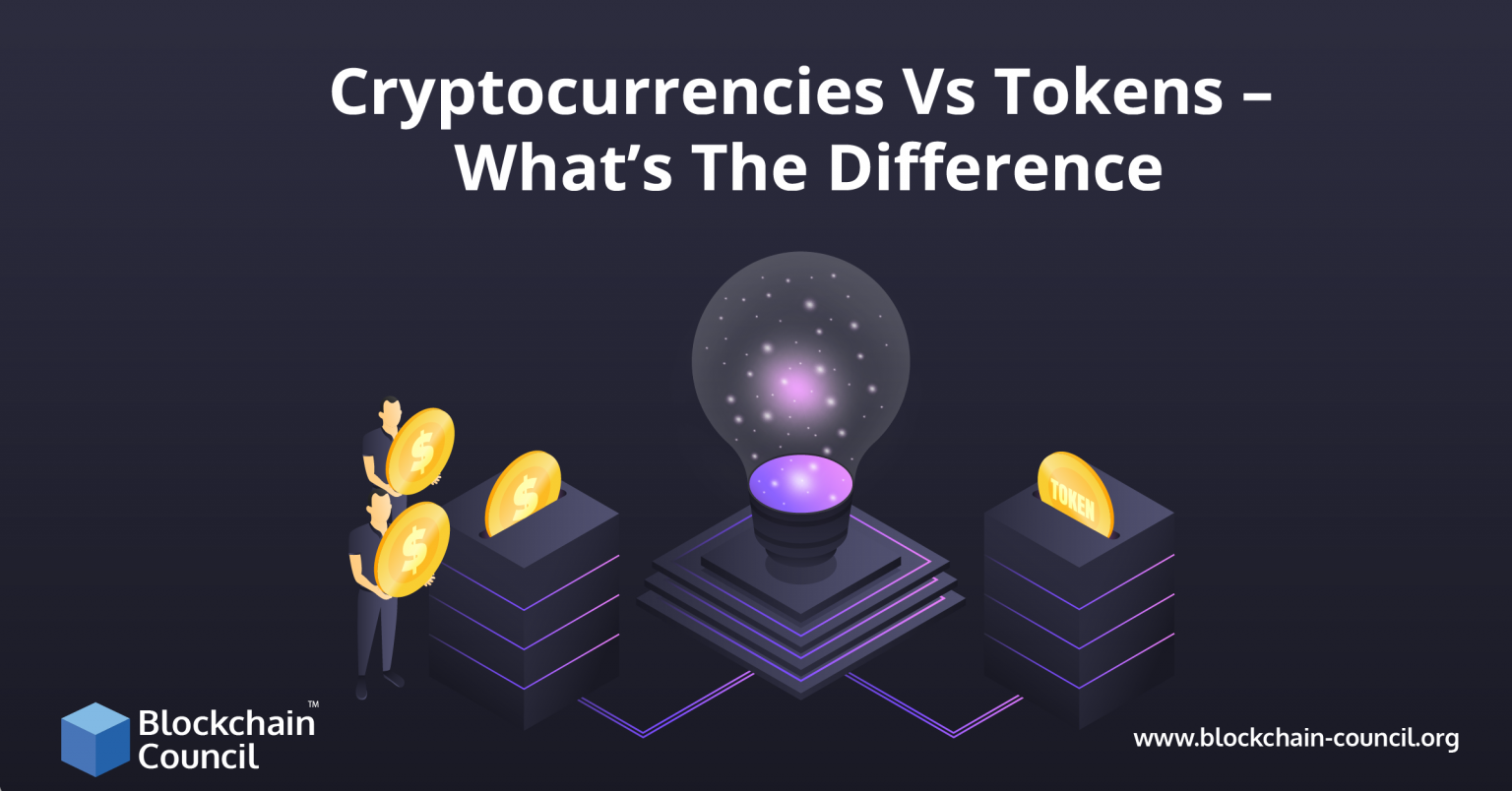
Tokens, on the other hand, have far more uses than just digital money. Tokens are created on top of an existing blockchain and can be used as part of a software application (like to grant access to an app, verify identity, or track products moving through a supply chain). They can represent digital art, including non-fungible tokens (NFTs) that certify something as unique). There has even been experimentation using NFTs with physical assets, such as real-life art and real estate. Ether is an example of a token, which is used to make transactions on the Ethereum (CRYPTO:ETH) network.
We are “testing the waters” under Regulation A under the Securities Act of 1933. The information contained on the Masterworks.io website has been prepared by Masterworks without reference to any particular user’s investment requirements or financial situation. Potential investors are encouraged to consult with professional tax, legal, and financial advisors before making any investment into a Masterworks offering. All investments involve risk, including the risk of the loss of all of your invested capital. Please consider carefully the investment objectives, risks, transaction costs, and other expenses related to an investment prior to deciding to invest. Diversification and asset allocation do not ensure profit or guarantee against loss. Investment decisions should be based on an individual’s own goals, time horizon, and tolerance for risk.
Part of the reason for the surge is the relative ease with which new cryptocurrencies can be created. The source code of one can be used to build another. For example, the Ethereum network could be used to create your own personal digital coins. Sometimes there are “forks” in the software code that change the rules about how a crypto is governed, which can lead to the creation of a new crypto. Bitcoin Cash (BCH -3.94%) was created in 2017 as a result of a Bitcoin fork allowing more transactions to be recorded on a single block of the blockchain.
Tokens, on the other hand, have far more uses than just digital money. Tokens are created on top of an existing blockchain and can be used as part of a software application (like to grant access to an app, verify identity, or track products moving through a supply chain). They can represent digital art, including non-fungible tokens (NFTs) that certify something as unique). There has even been experimentation using NFTs with physical assets, such as real-life art and real estate. Ether is an example of a token, which is used to make transactions on the Ethereum (CRYPTO:ETH) network.
We are “testing the waters” under Regulation A under the Securities Act of 1933. The information contained on the Masterworks.io website has been prepared by Masterworks without reference to any particular user’s investment requirements or financial situation. Potential investors are encouraged to consult with professional tax, legal, and financial advisors before making any investment into a Masterworks offering. All investments involve risk, including the risk of the loss of all of your invested capital. Please consider carefully the investment objectives, risks, transaction costs, and other expenses related to an investment prior to deciding to invest. Diversification and asset allocation do not ensure profit or guarantee against loss. Investment decisions should be based on an individual’s own goals, time horizon, and tolerance for risk.
Follow me!

