
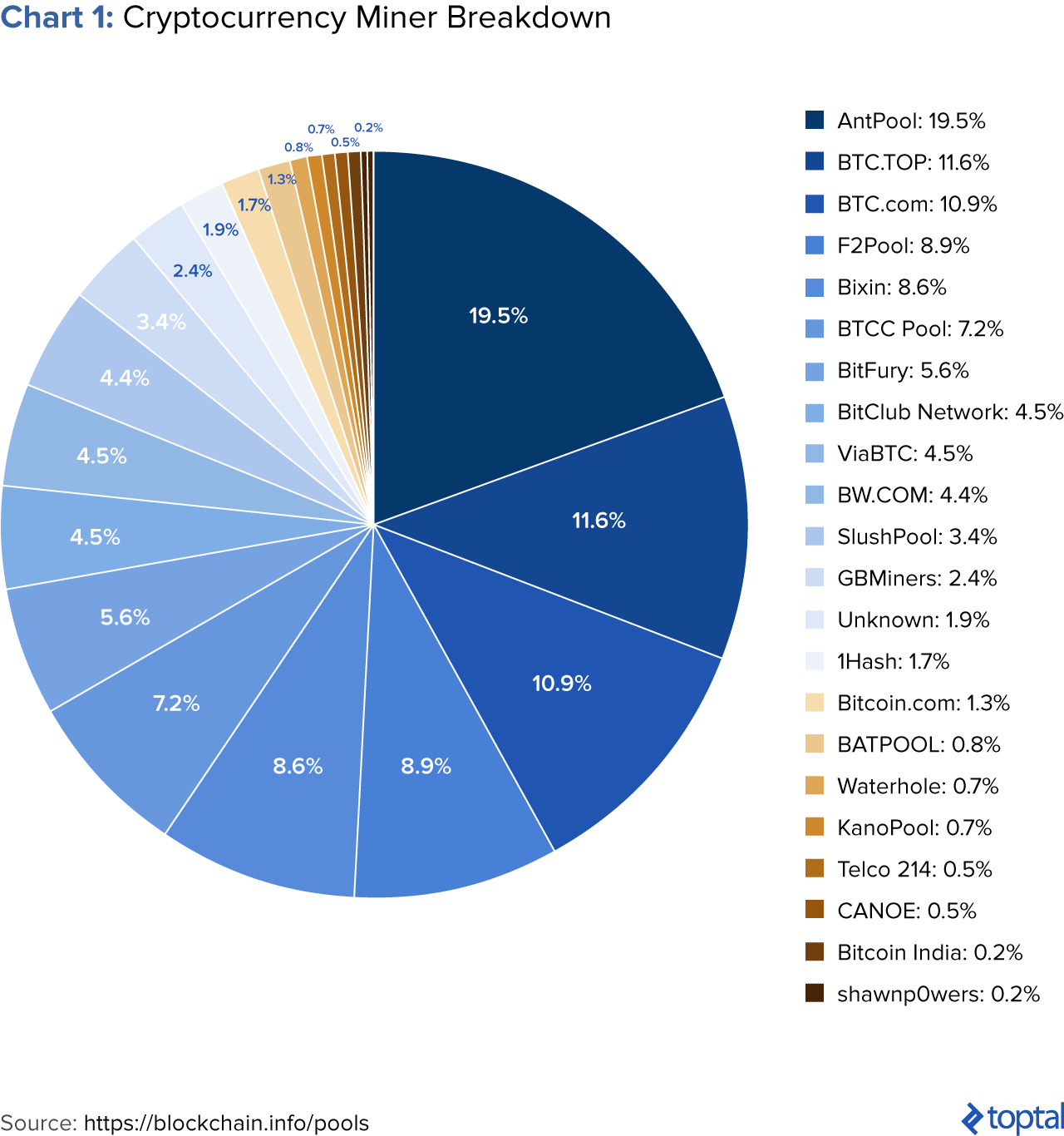
are all cryptocurrencies mined
- Are all cryptocurrencies based on blockchain
- All the cryptocurrencies
- What is the market cap of all cryptocurrencies
Are all cryptocurrencies mined
A change in any data changes the hash of the block it was in. Because each block contains the previous block’s hash, a change in one would change the following blocks shazam online casino. The network would generally reject an altered block because the hashes would not match. However, a change can be accomplished on smaller blockchain networks.
Blockchain’s decentralization adds more privacy and confidentiality, which unfortunately makes it appealing to criminals. It’s harder to track illicit transactions on blockchain than through bank transactions that are tied to a name.
Cryptocurrencies and blockchain technology are often regarded as the same thing. This makes it seem like a cryptocurrency cannot exist without an underlying blockchain technology. But is this really the case?
As we now know, blocks on Bitcoin’s blockchain store transactional data. Today, tens of thousands of other cryptocurrencies run on a blockchain. But it turns out that blockchain can be a reliable way to store other types of data as well.
Are all cryptocurrencies based on blockchain
Nonfungible tokens (NFTs) are minted on smart-contract blockchains such as Ethereum or Solana. NFTs represent unique assets that can’t be replicated—that’s the nonfungible part—and can’t be exchanged on a one-to-one basis. These assets include anything from a Picasso painting to a digital “This is fine” dog meme. Because NFTs are built on top of blockchains, their unique identities and ownership can be verified through the ledger. With some NFTs, the owner receives a royalty every time the NFT is traded.
A change in any data changes the hash of the block it was in. Because each block contains the previous block’s hash, a change in one would change the following blocks. The network would generally reject an altered block because the hashes would not match. However, a change can be accomplished on smaller blockchain networks.
For example, exchanges have been hacked in the past, resulting in the loss of large amounts of cryptocurrency. While the hackers may have been anonymous—except for their wallet address—the crypto they extracted is easily traceable because the wallet addresses are stored on the blockchain.
While blockchain may be a potential game changer, there are doubts emerging about its true business value. One major concern is that for all the idea-stage use cases, hyperbolic headlines, and billions of dollars of investments, there remain very few practical, scalable use cases of blockchain.
Some companies experimenting with blockchain include Walmart, Pfizer, AIG, Siemens, and Unilever, among others. For example, IBM has created its Food Trust blockchain to trace the journey that food products take to get to their locations.
All the cryptocurrencies
One of the biggest winners is Axie Infinity — a Pokémon-inspired game where players collect Axies (NFTs of digital pets), breed and battle them against other players to earn Smooth Love Potion (SLP) — the in-game reward token. This game was extremely popular in developing countries like The Philippines, due to the level of income they could earn. Players in the Philippines can check the price of SLP to PHP today directly on CoinMarketCap.
To add a new coin to Blockspot.io, fill out our submission form with all the necessary details, such as name, ticker, logo, type, supply, and other metadata. The form can be accessed at Submitting a coin to our platform is completely free, and we’ll review your submission before adding it to our extensive database of cryptocurrencies.
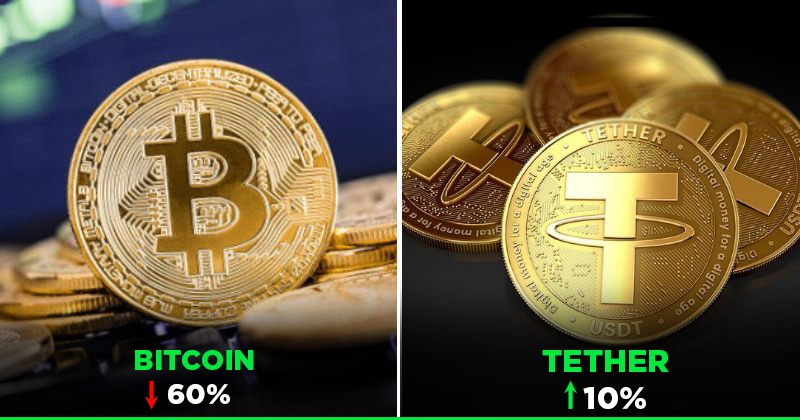
A stablecoin is a cryptocurrency designed to maintain a stable value, often by pegging it to a fiat currency like the US dollar. This stability helps reduce the price volatility typically associated with cryptocurrencies such as Bitcoin and Ethereum. Stablecoins enable transactions on blockchain networks while minimizing fluctuations in value, which can be particularly useful during market turbulence. Tether’s USDT was the first stablecoin introduced and remains one of the most popular options in the market today. Other examples are USDC and BUSD.
On the other hand, tokens are digital assets that are not native to a particular blockchain but are created on existing blockchain platforms, typically through tokenization. Tokens can represent various types of assets, such as utility tokens, security tokens, or non-fungible tokens (NFTs). They can be easily created using templates, where developers specify parameters like initial supply, number of decimals, and other metadata. Most tokens are created on established blockchain networks like Ethereum, using standards such as ERC-20 for fungible tokens and ERC-721 for non-fungible tokens.
One of the biggest winners is Axie Infinity — a Pokémon-inspired game where players collect Axies (NFTs of digital pets), breed and battle them against other players to earn Smooth Love Potion (SLP) — the in-game reward token. This game was extremely popular in developing countries like The Philippines, due to the level of income they could earn. Players in the Philippines can check the price of SLP to PHP today directly on CoinMarketCap.
To add a new coin to Blockspot.io, fill out our submission form with all the necessary details, such as name, ticker, logo, type, supply, and other metadata. The form can be accessed at Submitting a coin to our platform is completely free, and we’ll review your submission before adding it to our extensive database of cryptocurrencies.
What is the market cap of all cryptocurrencies
Often, big changes in the crypto market cap are connected to significant events in the cryptocurrency and blockchain industry. Here are some of the most impactful events that resulted in major cryptocurrency market movements:
With a blockchain, it’s possible for participants from across the world to verify and agree on the current state of the ledger. Blockchain was invented by Satoshi Nakamoto for the purposes of Bitcoin. Other developers have expanded upon Satoshi Nakamoto’s idea and created new types of blockchains – in fact, blockchains also have several uses outside of cryptocurrencies.
The Bitcoin market cap is currently 2,044.52 billion. We arrive at this figure by multiplying the price of 1 BTC and the circulating supply of Bitcoin. The Bitcoin price is currently $ 102,926 and its circulating supply is 19.86 million. If we multiply these two numbers, we arrive at a market cap of 2,044.52 billion.
The term DeFi (decentralized finance) is used to refer to a wide variety of decentralized applications that enable financial services such as lending, borrowing and trading. DeFi applications are built on top of blockchain platforms such as Ethereum and allow anyone to access these financial services simply by using their cryptocurrency wallets.
The circulating supply of a cryptocurrency is the amount of units that is currently available for use. Let’s use Bitcoin as an example. There is a rule in the Bitcoin code which says that only 21 million Bitcoins can ever be created. The circulating supply of Bitcoin started off at 0 but immediately started growing as new blocks were mined and new BTC coins were being created to reward the miners. Currently, there are around 19.86 million Bitcoins in existence, and this number will keep growing until the 21 millionth BTC is mined. Since 19.86 million BTC have been mined so far, we say that this is the circulating supply of Bitcoin.
Follow me!

