
CBD Gummies vs Marijuana Edibles: Legal Differences in Canada
Cannabis edibles have grown to be a popular method for Canadians in order to consume cannabis without smoking or vaping. Among he has a good point , CBD gummies have out as being a favorite option for individuals seeking wellness positive aspects without intoxication. Nevertheless, many consumers imagine CBD gummies happen to be legally different coming from other cannabis edibles such as THC gummies, chocolates, or baked goods. In fact, Canadian law treats these kinds of products in particular ways that are usually often misunderstood.
This particular article explains the legal differences among CBD gummies along with other cannabis edibles canada, how they are regulated, and what consumers need to know to be able to stay compliant using the law.
Understanding CENTRAL BUSINESS DISTRICT Gummies and Hashish Edibles
Cannabis edibles are food goods infused with cannabinoids based on the marijuana plant. These cannabinoids may include THC, CENTRAL BUSINESS DISTRICT, or possibly a combination associated with both.
CBD gummies are edible goods infused primarily with cannabidiol, a non-intoxicating cannabinoid.
Cannabis food items is a broader category that consists of:
THC gummies
Chocolates and candies
Cooked goods
Beverages
Lozenges and chews
Although the effects of these items may differ, Canadian law places them beneath the same regulatory category: edible cannabis.
Legal Category Under Canadian Regulation
The Cannabis Behave does not develop a separate legal type for CBD-only products. Any product that contains cannabinoids derived from cannabis is legitimately classified as cannabis.
This means:
CBD gummies are legally regarded cannabis edibles
THC edibles are in addition cannabis edibles
Typically the presence or absence of intoxication is not going to change legal status
As an end result, CBD gummies plus THC edibles are generally subject to most of the same federal tips, even though their particular effects on consumers differ significantly.
Crucial Legal Similarities Among CBD Gummies and even Cannabis Edibles
Just before examining the dissimilarities, it is crucial to know what CBD gummies as well as other marijuana edibles have in common legally.
Both must: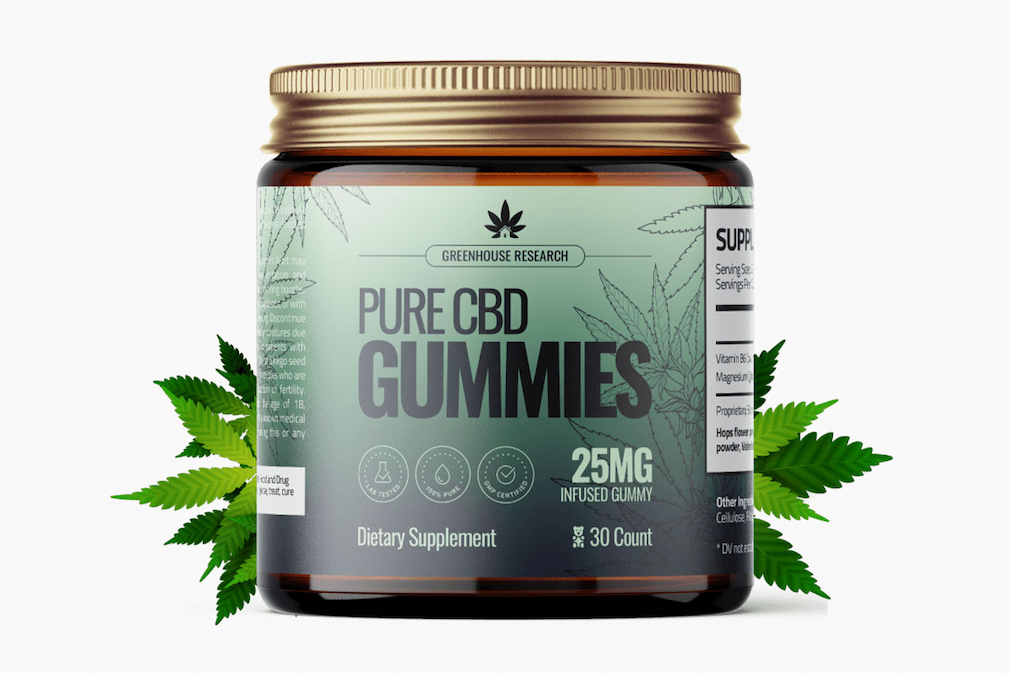
Become produced by governmentally licensed cannabis suppliers
Comply with Wellness Canada regulations
Meet strict THC limitations per package
Be sold through certified provincial retailers
Use child-resistant, plain the labels
Follow strict labels and advertising tips
These shared requirements often surprise buyers who expect CENTRAL BUSINESS DISTRICT gummies to end up being treated like health supplements or natural health and fitness products.
THC Written content: The Most Important Legal Difference
Typically the most significant lawful difference between CBD gummies and various other cannabis edibles fabrications in THC focus, not classification.
CENTRAL BUSINESS DISTRICT gummies are developed to contain large levels of CBD and minimal THC.
THC edibles are made to deliver intoxicating results and contain increased THC levels (within legal limits).
Even so, both types associated with tools are subject to the same government THC cap:
No more than 10 milligrams regarding THC per package deal
CBD gummies might contain:
Zero THC (CBD isolate-based)
Trace THC (full-spectrum products)
Low THC inside legal limits
THC edibles usually method the maximum permitted THC content.
Intended Use vs Legitimate Therapy
From a consumer perspective, CENTRAL BUSINESS DISTRICT gummies and cannabis edibles serve various purposes.
CBD gummies are commonly utilized for:
Stress management
Rest support
General wellness
Pain and irritation alleviation
Cannabis food items with THC are typically employed for:
Leisure enjoyment
Euphoria or perhaps relaxation
Appetite stimulation
Legally, however, intended use does not affect classification. Health Canada regulates both types under the similar cannabis edible framework to ensure open public safety and persistence.
Age Restrictions and even Access
There is definitely no legal age group distinction between CENTRAL BUSINESS DISTRICT gummies and various other cannabis edibles.
Typically the minimum legal age applies equally to both and may differ by province:
eighteen years in Alberta
19 years inside most zone
21 years in Quebec
CBD gummies can not be sold to minors, even nevertheless they are non-intoxicating. Providing either CENTRAL BUSINESS DISTRICT gummies or THC edibles to a minor is against the law.
Differences in Consumer Experience (Not Legal Status)
While not a legitimate distinction, the consumer knowledge often influences purchasing decisions.
CBD gummies:
Do not create a “high”
Are typically used during the particular day or before sleep
Have nominal impairment risk when THC is missing or very low
THC edibles:
May cause intoxication
Possess delayed start results
Carry higher impairment risks
Despite these kinds of differences, Canadian legislation regulates both using the same level of caution.
Packaging plus Labeling Differences
CBD gummies and THC edibles must stick to identical packaging rules, but labeling articles often differs credited to cannabinoid composition.
CBD gummy brands emphasize:
CBD written content per device
Minimal or trace THC levels
THC consumable labels emphasize:
THC content per device
Stronger health warnings related to ennui
Both must show standardized cannabis symbols and health dire warnings, even if typically the product contains small or no THC.
Advertising and marketing Restrictions
Canadian cannabis laws forbid advertising that promotes cannabis products since health treatments or perhaps lifestyle enhancers.
This particular applies equally in order to:
CBD gummies
THC food items
CBD gummies should not be marketed because:
Natural remedies
Supplements
Treatments for anxiety, pain, or sleep disorders
This is among the clearest examples involving how CBD gummies are legally handled like cannabis instead than wellness products.
Retail Location Variations
From a legal standpoint, CBD gummies and other hashish edibles must end up being sold through the same channels.
They can just be purchased from:
Government-run cannabis stores
Licensed private cannabis retailers
Authorized comarcal online platforms
CBD gummies cannot lawfully be sold inside of health food stores, pharmacies, grocery store stores, or wellness shops, whether or not they contain no THC.
Medical vs Non-Medical Use
Both CENTRAL BUSINESS DISTRICT gummies and THC edibles are available due to recreational cannabis systems. However, CBD products are more generally found in the healthcare cannabis system.
Health care cannabis patients may:
Access higher-quality CBD formulations
Receive specialist dosing guidance
Buy straight from licensed healthcare services
THC food are less commonly prescribed medically, though that they may be employed for pain or urge for food stimulation in certain cases.
Driving and Impairment Laws
Driving laws apply differently in practice but not really in theory.
CBD gummies:
Generally usually do not impair driving
Might still contain find THC
THC food:
Can cause important impairment
Are tightly monitored under reduced driving laws
In case THC is diagnosed above legal thresholds, penalties may implement whether or not impairment was basically intended.
Misconceptions Regarding Legal Differences
Numerous Canadians mistakenly consider:
CBD gummies are legal everywhere
CENTRAL BUSINESS DISTRICT gummies are dietary supplements
Zero-THC CBD gummies are unregulated
CBD gummies can turn out to be imported openly
In reality, both CENTRAL BUSINESS DISTRICT gummies and hashish edibles are snugly controlled under Canadian law, and adding or exporting both is illegal without authorization.
Why Canada Regulates CBD Gummies Like Cannabis Food items
Canada’s approach prioritizes public health in addition to safety. By unsafe effects of CBD gummies underneath cannabis law, government bodies can:
Control product top quality
Prevent unreliable health claims
Ensure accurate labeling
Limit youth access
Monitor THC exposure
This specific conservative approach differentiates Canada from places that allow CBD products to end up being sold freely while supplements.
Future Legal Developments
As CENTRAL BUSINESS DISTRICT research expands and consumer demand grows, Canada may eventually introduce a separate regulatory pathway for low-risk CBD products. On the other hand, no such construction currently exists.
Until then, CBD gummies will continue to be regulated together with all other marijuana edibles.
Conclusion
The particular legal differences in between CBD gummies in addition to cannabis edibles in Canada are far narrower as compared to many consumers assume. While their effects and intended uses differ, Canadian law treats both while cannabis edibles within the Cannabis Act.
The primary legal distinction lies in THC content, not really classification. Both items must be qualified, tested, labeled, packaged, and sold via authorized channels.
Comprehending these legal facts helps consumers make informed choices, stay away from illegal products, plus safely navigate Canada’s regulated cannabis market.
Follow me!

